Dunellen General Contractor for Home Improvement and New Construction
Dunellen General Contractor for Home Improvement and New Construction
Blog Article
Why Picking the Best General Contractor Is Key for Your Project
Identifying the right main contractor is a fundamental decision that can greatly influence a project's success. A fit contractor guarantees efficient handling and adherence to financial plans. Their ability to traverse challenges and foster distinct messaging is essential. However, many project principals neglect essential factors in this vetting process. Understanding these particulars can lead to better consequences and increased satisfaction. What should one consider when making this important determination?
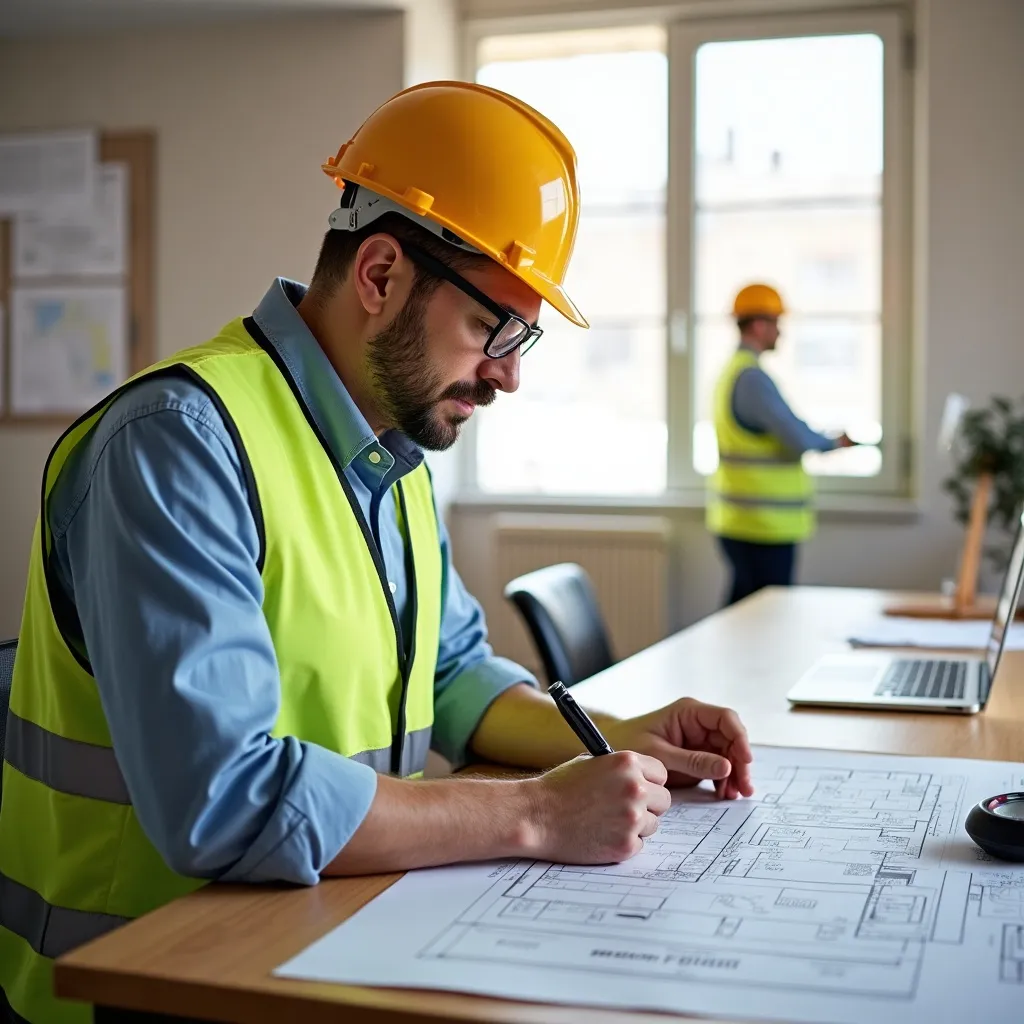
Standard Struggles in Hiring a General Contractor
When picking a general contractor, potential clients often face several common difficulties that can complicate the decision-making process. One major obstacle is the overwhelming number of choices on offer, which can result in uncertainty and hesitation. Clients may struggle to distinguish among contractors based on credentials, background, and cost, making it difficult to determine who will best meet their construction requirements.
An additional challenge is the lack of transparency in contractor bids, where concealed expenditures may surface, impacting the project budget. At the same time, clients may face related to communication issues; some contractors may be remiss to provide regular updates across the engagement, inducing frustration. Finally, clients often battle authenticating a contractor's recommendations and earlier work, which can bring about uncertainty about the quality of service anticipated. These hindrances call upon intentional analysis and examination to guarantee the best option is executed.
Necessity of a Credible Construction Expert
A reliable general contractor plays a crucial role in ensuring project management efficiency and maintaining quality standards. Their expertise helps improve processes, minimizing delays and expenses. Additionally, a trustworthy contractor upholds high standards, resulting in superior craftsmanship and client contentment.
Optimize Project Supervision Results
Effective project oversight copyrights on the reliability of a general contractor. A reliable contractor ensures that deadlines are adhered to, resources are distributed effectively, and communication flows smoothly among all stakeholders. Their skill in managing subcontractors, suppliers, and laborers directly impacts the project's progress and overall success. A dependable contractor foresees problems, acts quickly to resolve them, and stays focused on the objectives, minimizing delays and cost overruns. This efficiency fosters a collaborative environment, allowing for adjustments and improvements as needed. Ultimately, the general contractor's reliability enhances not only the operational aspects of the project but also the confidence among clients and team members, guaranteeing that everyone remains aligned toward a successful outcome.
Quality Assurance Benchmarks
Reliable general contractors play a pivotal role in upholding quality assurance measures throughout the course of a project. They confirm that all work meets established guidelines and industry norms, which is for the lasting quality and safety of the structure. A competent contractor provides careful oversight of materials and workmanship, conducting regular inspections to identify and rectify problems quickly. This proactive strategy addresses risks associated with inferior construction, ultimately securing the investment. Furthermore, a reliable contractor fosters communication among all stakeholders, assuring expectations are clear and met. By emphasizing quality assurance, a skilled general contractor not only improves the finished product but also builds trust with clients, laying the foundation for successful project outcomes.
Evaluating a Service Provider's Experience and Reputation
When selecting a general construction firm, knowing their expertise and credibility is important, as these factors significantly impact project results. A contractor's background typically reflects their competence to manage multiple project types, challenges, and difficulties. Looking at their work samples gives insight into past projects, showcasing craftsmanship and meticulous attention to specifics.
Additionally, reputation serves as a vital role in forming trust. Prospective clients should seek online reviews, client feedback, and references to measure satisfaction levels from previous clients. Engaging with past customers can show the contractor's reliability, communication skills, and adherence to timelines and budgets.
Additionally, trade memberships and certifications can boost a contractor's reputation, revealing a commitment to high standards and ethical practices. By comprehensively reviewing both background and standing, clients can reach sound conclusions, ultimately paving the way for a prosperous construction project.
Vital Attributes of a Reliable Contractor
A reliable contractor regularly exhibits honesty, transparency, and excellent communication skills. These vital traits create the foundation of a successful professional partnership. Honesty ensures the contractor adheres to moral standards, providing truthful assessments and practical schedules. Openness entails fully disclosing project details, including costs and possible obstacles, building confidence between the contractor and the client.
Powerful communication abilities facilitate the contractor to convey ideas effectively, listen to client requirements, and address any concerns that arise during the project. Additionally, a reliable contractor exhibits flexibility, reacting to changes and unforeseen circumstances with poise and flexibility. Attention to detail is yet another key trait; it reflects a commitment to excellence and precision in every aspect of the work. In essence, these characteristics not only strengthen project outcomes but also enrich a positive engagement for clients, making the appointment of a dependable contractor all the more critical.
Critical Topics to Ask When Working With Your General Contractor?
How can one guarantee they choose the appropriate general contractor for their project? By posing a set of specific questions, potential clients can more effectively evaluate candidates. First, inquiring about the contractor's experience with comparable work gives insight into their expertise. It's also vital to request for references; communicating with previous clients can reveal the contractor's trustworthiness and work quality.
Next, examining licensing and insurance verifies that the contractor meets legal requirements and safeguards the client from possible liabilities. Clients should also ask regarding timelines and project management strategies to assess how the contractor intends to manage the project effectively.
Budget meetings are crucial; asking for a thorough estimate prevents surprise costs later. Finally, grasping the contractor's preferred way of communicating can establish the foundation for a productive working relationship. By tackling these key questions, clients can choose wisely in selecting their general contractor.
Why Dialogue Matters With Your Contractor
Effective communication with a contractor is essential for project success. Establishing clear requirements and providing timely information can avoid misunderstandings that often lead to costly delays. Additionally, fostering an open dialogue cultivates confidence, ensuring a smoother collaboration throughout the construction process.
Defined Criteria Promote Achievement
Defining specific expectations is critical for a successful partnership with a general contractor. Effective communication establishes a mutual understanding of project goals, timelines, and budget constraints. When both parties express their needs and concerns, it lowers the risk of misunderstandings that may disrupt progress. A contractor who knows the specific requirements can allocate resources efficiently and proactively handle potential challenges. Additionally, transparency promotes accountability, making sure the contractor fulfills commitments and that the homeowner feels engaged in the process. By prioritizing open dialogue early on, clients can strengthen collaboration and satisfaction, ultimately resulting in a smoother project delivery. Clear expectations not only optimize workflows but also foster trust between the homeowner and the contractor.
Rapid Updates Prevent Misunderstandings
Setting clear parameters builds the foundation for successful partnership, yet frequent communication is critically important. Regular updates from a project manager can prevent misunderstandings that could happen throughout a assignment. If construction firms consistently communicate status updates, clients stay abreast of schedules, cost modifications, and conceivable impediments. Such anticipatory communication functions to align each party's expectations and decreases the chance of disagreements later. Moreover, when challenges find now arise, immediate communication permits speedier fixes, maintaining the project moving forward. Through establishing a culture of honest dialogue, builders demonstrate their dedication to the project's success, in the end creating a smoother workflow and greater customer satisfaction. As a result, prompt updates act as a vital element in preserving clarity and confidence during the construction process.
Open Discourse Develops Trust
As a project unfolds, upholding an honest conversation with the general contractor becomes crucial for encouraging belief and joint effort. Effective communication confirms that all parties have a complete understanding of objectives, timelines, and potential roadblocks. When trade professionals and clients engage in regular discussions, it lets for the identification of setbacks before they escalate, reducing disruptions. This transparency not only builds confidence but also optimizes the overall building experience. Additionally, an open line of communication encourages feedback, equipping the contractor to make adjustments that conform to the client's vision. In conclusion, strong communication grounds a foundation of mutual respect, which is essential for the successful completion of any construction endeavor. Confidence fostered through dialogue leads to better outcomes for everyone participating.
Frequently Requested Questions
How do I establish whether a Contractor is properly Licensed?
To establish if a contractor is authorized, one should inspect local governing bodies and internet sites, validate their license number, and confirm it's active. Additionally, perusing internet feedback can furnish knowledge about their integrity and dependability.
What Insurance Should My Work Professional Obtain?
A contractor should carry general liability insurance, workers' compensation, and, if applicable, negligence liability protection. These mitigate potential damages, workplace injuries, and quality failures, ensuring asset protection for both the contractor and the purchaser.
What Procedures Should I Follow to Assess a Contractor's Client Feedback?
To examine a contractor's references, one should obtain a list of prior customers, communicate with them in person, and question them regarding their experiences. In addition, looking into web-based reviews and evaluations can give valuable insights into the contractor's reliability.
What Ought I Execute if Issues Surface During the Project?
If issues arise during the project, one should record the difficulties, communicate directly with the contractor, and find a solution. If required, involving a third party or seeking legal advice may also be appropriate.
Do You Need to Spot Red Flags During the Hiring Process?
Warning signs in the hiring process consist of unclear pricing, lack of references, inadequate responsiveness, missing certifications, and negative online reviews. These signals point to possible problems that could impact the quality and schedule of the project.
Report this page