Dunellen General Contractor Delivering Reliable Construction Services
Dunellen General Contractor Delivering Reliable Construction Services
Blog Article
Why Choosing the Right General Contractor Is Crucial for Your Project
Identifying the right main contractor is a fundamental decision that can markedly determine a project's success. A fit contractor secures efficient handling and adherence to financial plans. Their ability to navigate problems and maintain clear communication is essential. However, many building principals overlook critical variables in this vetting cycle. Appreciating these particulars can lead to better outcomes and increased contentment. What should one think about when conducting this significant determination?
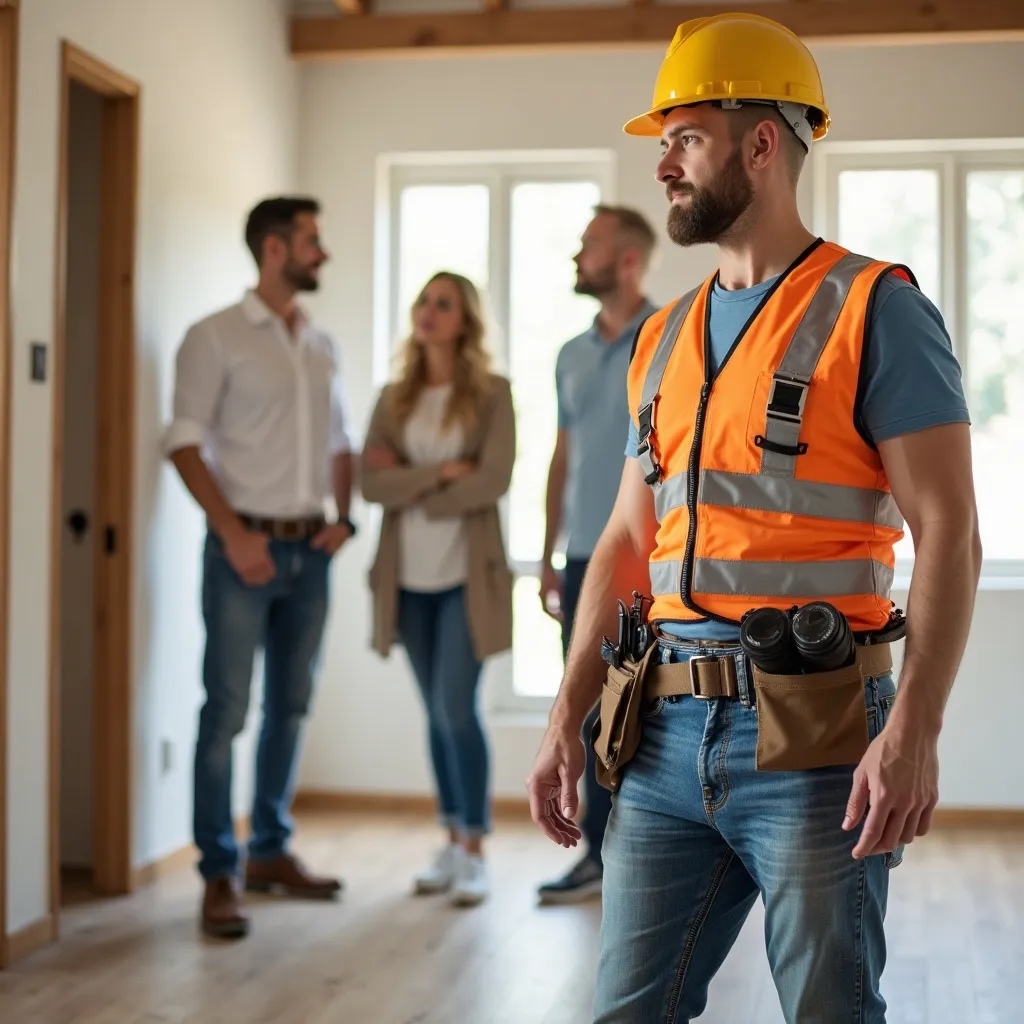
Standard Challenges in Picking a General Project Lead
When selecting a building contractor, potential clients often encounter several common difficulties that can impede the decision-making process. One significant hurdle is the vast quantity of options available, which can cause uncertainty and hesitation. Customers may find it hard to differentiate between contractors based on qualifications, experience, and pricing, rendering it difficult to identify who will best satisfy their project needs.
A further challenge is the lack of transparency in contractor bids, where hidden costs may come to light, affecting the project allocation. Likewise, clients may face concerns pertaining to communication; some contractors may fail to inform clients consistently throughout the timeline, causing frustration. In the end, clients often wrestle with substantiating a contractor's endorsements and historical work, which can provoke uncertainty about the quality of service to be delivered. These impediments necessitate deliberate planning and scrutiny to review this content guarantee the right choice is undertaken.
Importance of a Trustworthy General Contractor
A dependable general contractor plays an crucial role in ensuring project management productivity and maintaining quality assurance standards. Their skill helps streamline processes, minimizing delays and costs. Additionally, a trustworthy contractor upholds excellence, resulting in superior craftsmanship and client satisfaction.
Enhance Task Organization Efficiency
Effective project coordination depends on the trustworthiness of a general contractor. A trustworthy contractor ensures that timelines are met, resources are distributed efficiently, and communication flows seamlessly among all stakeholders. Their competence in managing subcontractors, suppliers, and laborers has a direct effect on the progress and overall success of the project. A dependable contractor anticipates issues, implements fixes swiftly, and keeps attention on objectives, minimizing holdups and budget overruns. This efficiency promotes teamwork, facilitating changes and enhancements as needed. Ultimately, the general contractor's trustworthiness strengthens the functional side of the project and builds trust with clients and team members, ensuring everyone works together towards a positive result.
Quality Assurance Benchmarks
Trustworthy general contractors play a pivotal role in maintaining quality guidelines throughout the project lifecycle. They assure that the work follows established guidelines and industry standards, which is the durability and safety of the structure. A competent contractor oversees materials and workmanship closely, carrying out routine inspections to spot and correct issues promptly. This proactive method lessens risks connected with poor construction, ultimately safeguarding the investment. Additionally, a reliable contractor encourages communication between all stakeholders, ensuring expectations are transparent and met. Prioritizing quality assurance, a skilled general contractor not only enhances the final product but also builds client trust, forming the basis for successful project completion.
Analyzing a Contractor's Track Record and Industry Standing
When choosing a general contractor, understanding their background and reputation is critical, as these factors significantly impact project results. A contractor's expertise typically reflects their ability to handle various project types, challenges, and obstacles. Examining their body of work offers insight into previous projects, showcasing workmanship and attention to detail.
In addition, reputation serves as a vital role in creating trust. Prospective clients should seek online reviews, recommendations, and references to assess satisfaction levels from previous clients. Working with past customers can reveal the contractor's reliability, communication skills, and maintaining timelines and budgets.
Moreover, industry affiliations and endorsements can enhance a contractor's credibility, conveying a devotion to superior work and virtuous practices. By rigorously assessing both experience and reputation, clients can make informed decisions, ultimately setting the stage for a outstanding construction project.
Vital Attributes of a Reliable Contractor
A trustworthy contractor consistently exhibits honesty, transparency, and strong communication skills. These essential qualities create the basis of a successful working relationship. Integrity ensures the contractor conforms to moral standards, offering truthful assessments and realistic timelines. Openness entails fully disclosing project details, encompassing costs and possible obstacles, building trust between the contractor and the customer.
Powerful interpersonal skills enable the contractor to express ideas efficiently, grasp client requirements, and address any issues that arise during the project. Additionally, a dependable contractor exhibits flexibility, responding to changes and unforeseen circumstances with poise and flexibility. Keen attention to detail is yet another crucial trait; it underscores a commitment to excellence and accuracy in every aspect of the work. Ultimately, these characteristics not only enhance project outcomes but also contribute to a positive experience for clients, making the selection of a dependable contractor all the more crucial.
Essential Considerations When Choosing Your General Contractor?
What method can one use to ensure they pick the right general contractor for their project? By asking a collection of targeted questions, potential clients can better evaluate candidates. First, inquiring about the contractor's experience with comparable assignments provides insight into their expertise. It's also vital to request for references; conversing with previous clients can reveal the contractor's reliability and standard of work.
Subsequently, evaluating licensing and insurance ensures that the contractor fulfills legal standards and protects the client from potential liabilities. Clients ought to also request information about timelines and project management methods to determine how the contractor will manage the project productively.
Budget talks are vital; requesting a thorough estimate helps avoid surprise costs later. Finally, understanding the contractor's communication style preferences can establish the foundation for a productive working relationship. By tackling these key questions, clients can choose wisely in choosing their general contractor.
Strong Communication Between You and Your Contractor
Effective communication with a contractor is essential for project achievement. Setting clear expectations and delivering prompt updates can prevent confusion that often lead to expensive delays. Additionally, promoting an open dialogue cultivates trust, ensuring a smoother partnership throughout the construction project.
Explicit Parameters Ensure Positive Outcomes
Defining precise expectations is critical for a effective partnership with a general contractor. Effective communication forms the basis for a mutual understanding of project goals, timelines, and budget constraints. When both parties convey their needs and concerns, it minimizes the risk of misunderstandings that may hinder progress. A contractor who knows the specific requirements can allocate resources efficiently and proactively handle potential challenges. Additionally, transparency promotes accountability, making sure the contractor fulfills commitments and that the homeowner feels engaged in the process. By prioritizing open dialogue early on, clients can strengthen collaboration and satisfaction, ultimately resulting in a more seamless project delivery. Clear expectations not only simplify operations but also foster trust between the homeowner and the contractor.
Timely Updates Prevent Misunderstandings
Clear expectations establish the foundation for efficient teamwork, but ongoing dialogue is just as vital. Prompt updates from a general contractor can prevent confusion that may occur during a job. When builders consistently share progress reports, clients stay updated about schedules, cost adjustments, and potential obstacles. This forward-thinking communication helps to synchronize both sides' goals and minimizes the risk of conflicts later on. Additionally, when problems arise, swift alert allows for faster solutions, guaranteeing the project stays on schedule. By fostering a culture of transparent communication, contractors demonstrate their commitment to the project's completion, eventually resulting in a smoother process and greater customer satisfaction. Consequently, prompt communications function as a foundation for maintaining understanding and trust throughout the building undertaking.
Candid Dialogue Generates Trust
While a initiative moves along, keeping an frank conversation with the general contractor becomes vital for nurturing faith and collaboration. Solid communication assures that all involved parties have a clear understanding of goals, deadlines, and potential challenges. When contractors and project owners engage in ongoing conversations, it allows for the detection of issues before they escalate, minimizing disruptions. This transparency not only builds confidence but also enhances the overall project experience. Moreover, an open line of communication encourages feedback, empowering the construction manager to make changes that correspond to the client's vision. Conclusively, strong communication establishes a groundwork of mutual respect, which is critical for the effective completion of any construction project. Trust cultivated through dialogue leads to superior results for everyone engaged.
Frequently Asked Questions
What steps should I follow to validate if a Contractor maintains a current License?
To determine if a contractor is authorized, one should inspect local governing bodies and internet sites, authenticate their license number, and confirm it's active. Additionally, perusing online reviews can furnish knowledge about their integrity and dependability.
What Risk Coverage Should My Work Professional Carry?
A contractor should carry overall liability protection, workers' compensation, and, if pertinent, professional liability insurance. These cover potential damages, employee injuries, and construction defects, affording financial protection for both the tradesperson and the client.
What Procedures Should I Take to Evaluate a Contractor's References?
To confirm a contractor's references, one should ask for a list of previous clients, reach out to them personally, and inquire about their experiences. Furthermore, examining online reviews and ratings can provide valuable insights into the contractor's reliability.
What Can I Take if Problems Present Themselves During the Project?
If issues arise during the project, one should record the difficulties, speak openly to the contractor, and seek a resolution. If required, involving a third party or seeking legal advice may also be suitable.
Should You Be Aware of Red Flags Throughout the Hiring Process?
Problem indicators during the recruitment phase include unclear pricing, lack of references, weak communication, partial licenses, and poor online reviews. These clues suggest conceivable difficulties that might impact the project timeline and quality.
Report this page